Sailing News
All the latest news from the world of sailing and stories from experienced sailors.
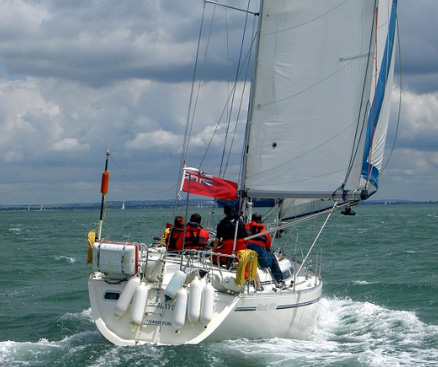
Are you ready to upgrade your sailing skills? If you’re already a Day Skipper (or similar) and are looking to improve then the Coastal Skipper course is an ideal step towards your dreams of becoming a confident Yachtmaster. This summer we are running a number of Coastal Skipper courses and you could… Read more
VHF Radio Course: Sign Up & What to Expect
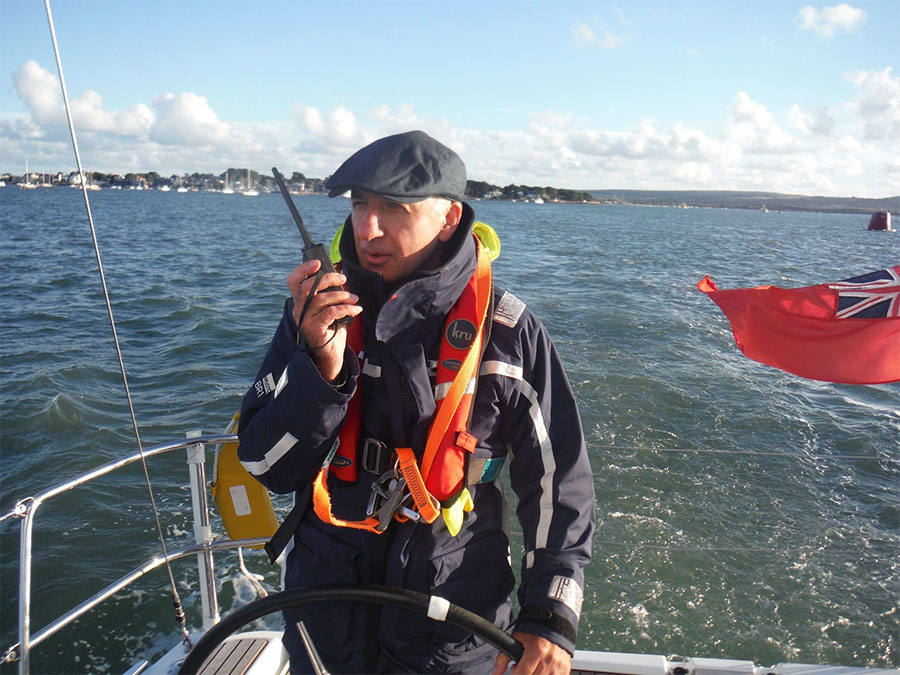
Sailors need to know how to use a VHF radio. Not only is it essential for safety, it’s also the law – if your yacht is fitted with a VHF radio, someone on board needs to hold a licence. That’s where the RYA VHF Radio Course comes in. Whether you’re skippering your own… Read more
To The Channel Islands and back on a Challenger 72 yacht
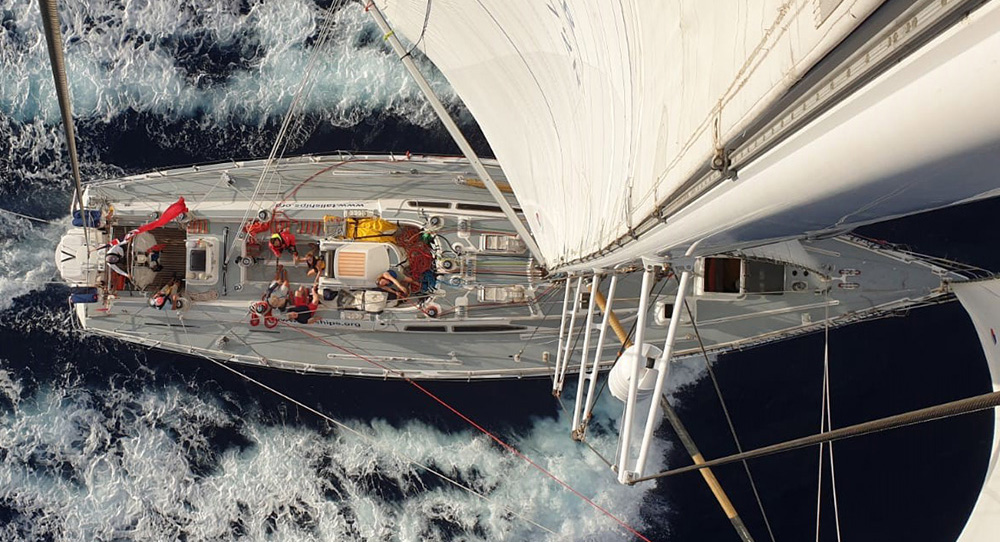
The following is a short account from the skipper of the Challenger Yacht we sailed to the Channel Islands and back in June. Ship’s Captain’s Log of the good ship Challenger 4 on a 5 day trip from Portsmouth to the Channel Islands in June. 3 June 2025 Deck all prepped. Just some pasties and… Read more
Online Day Skipper Theory Course: Learn at Your Own Pace
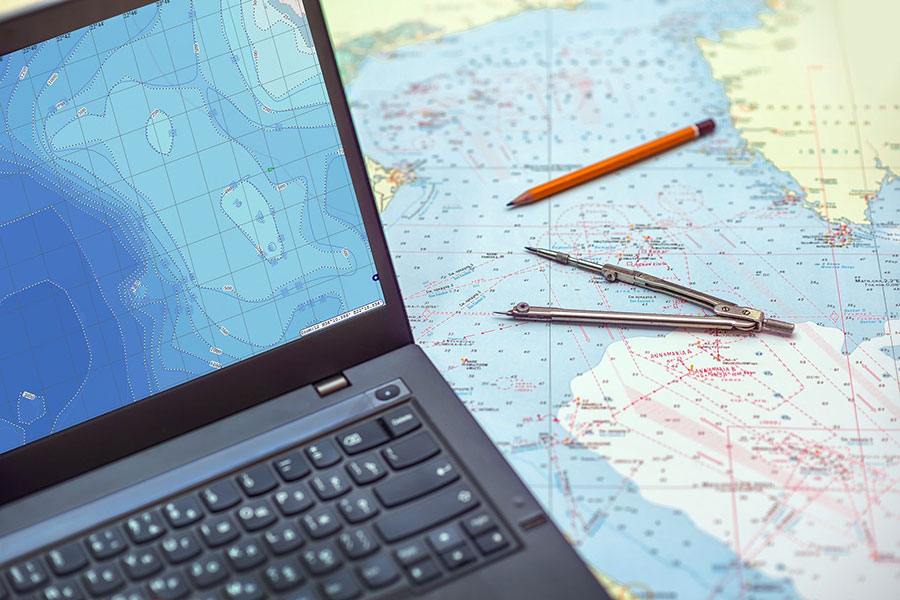
If you’re ready to take the next step in your sailing journey, but you need something that fits around a busy schedule, the Online RYA Day Skipper Theory course is the best place to start. It’s a flexible and thorough online sailing course which has been designed to build your understanding of navigation,… Read more
Day Skipper Course: What to Expect
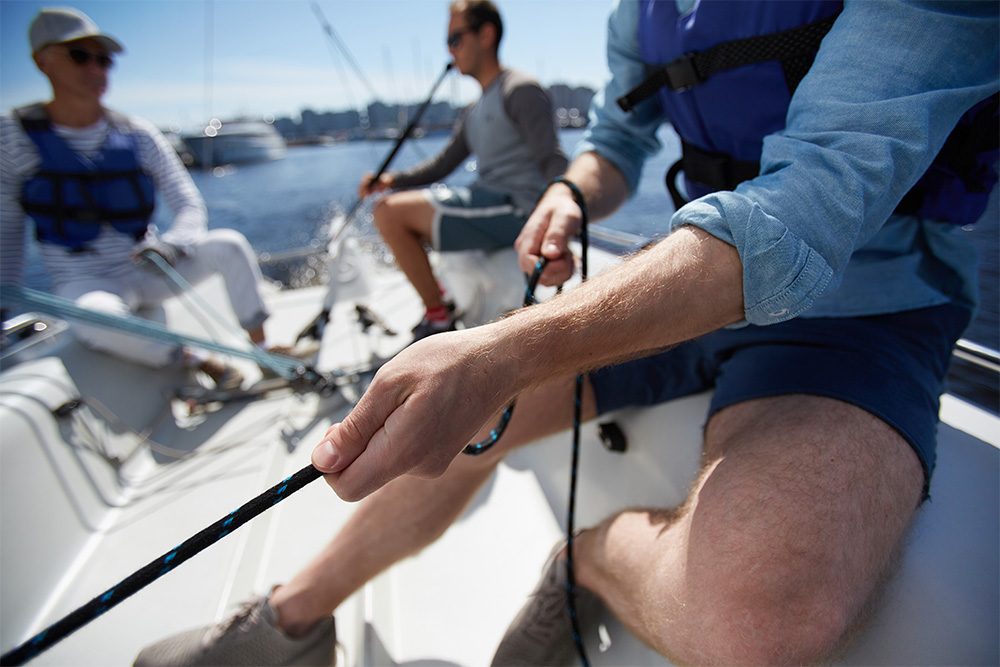
If you already have some experience of sailing under your belt and you’re ready to take things to the next level, the RYA Day Skipper Practical Course should be your next move. On the Day Skipper Course you will go from crewing to skippering so you can eventually be the one giving instructions… Read more
Sailing Through History: The Beaulieu River’s WW2 Legacy
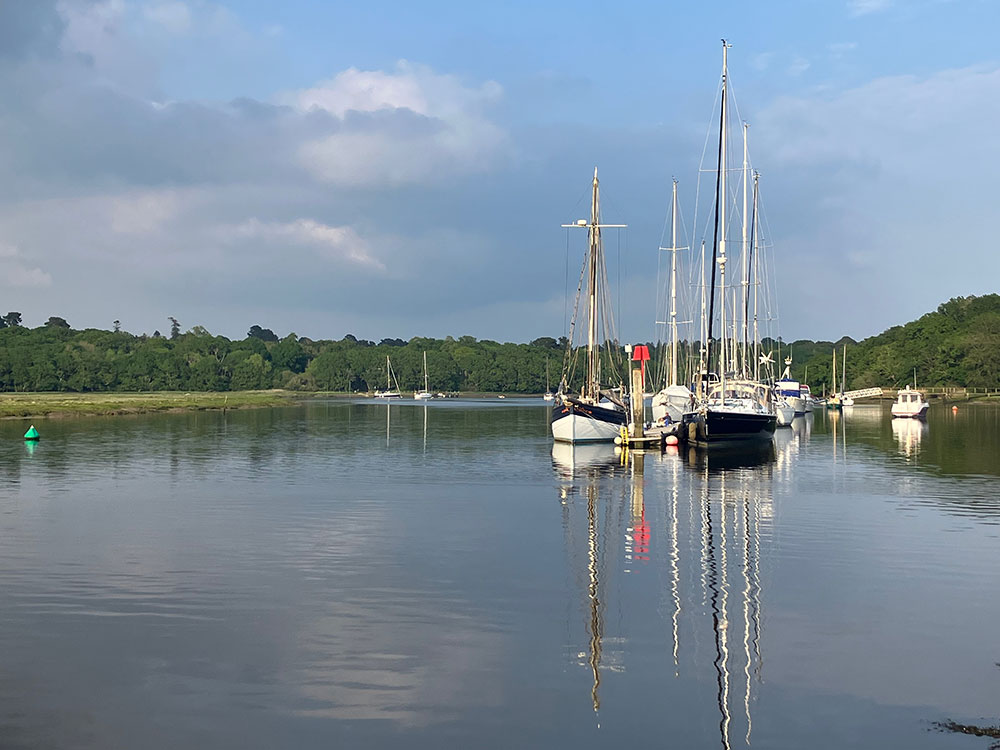
First Class Sailing tutors will often sail on the Beaulieu River, and you could too when you sign up to one of our RYA sailing courses. But did you know about the river’s wartime history? The Beaulieu River is not just known for its natural beauty and fantastic sailing opportunities, but it… Read more
Mile Building for Yachtmaster: Sail from the Solent on Extended Passages
Following on from our blog about mile building trips after Day Skipper (which can be read here) we thought we’d follow up with one for aspiring Yachtmasters. For the Yachtmaster Coastal you need 800nm. If you have done the Coastal Skipper course this is reduced to 400nm – this halving of the… Read more
Mile Building After Day Skipper
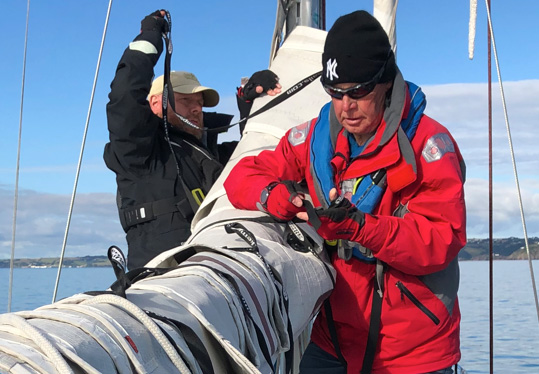
Once you have taken your practical Day Skipper course, you might wonder what you can do next that will help build your skills on the water. Chartering a boat in the Med with you as skipper is a good start. You will have learnt a lot already. As soon as you are the… Read more
Understanding Tides: Time & Tide Wait For No One
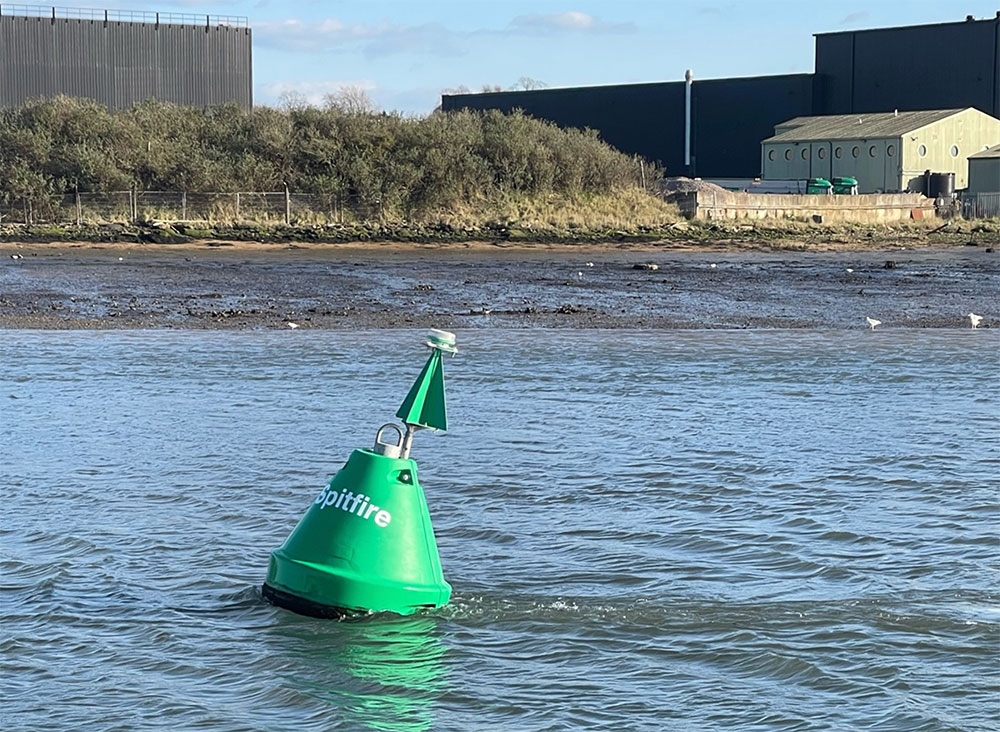
Understanding tides and how they affect your vessel is critical to making any passage short or long. Get it right and you can have a slick, quick, fun journey to your destination, an easy park in the marina of your choice, making that dinner reservation and getting to the pub before closing time. … Read more
Passage Making: Passage Planning, APEM and the last important piece of the puzzle
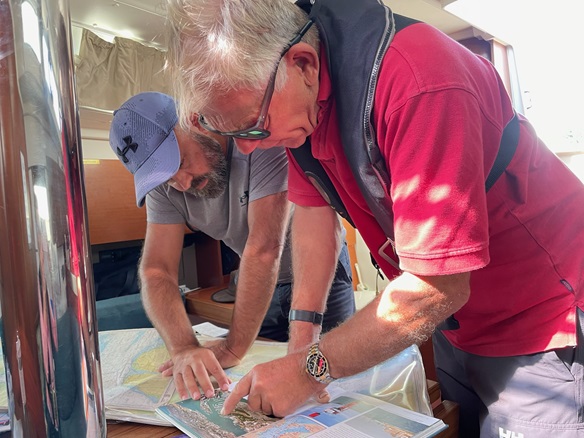
If you are at Yachtmaster level or heading in that direction then you will no doubt be familiar with the requirements under SOLAS for passage planning. In my experience, a lot is made of the legal requirement for passage planning on courses. If you are taking your YachtMaster practical you will be… Read more