ARC Rally 2026 | 23 November 2026
What’s life aboard an Atlantic crossing yacht really like during the first 24 hours at sea?
For the crew aboard Challenger 3, a 72ft ocean-going yacht taking part in the ARC Rally 2026, the answer so far includes some wonderful experiences, a few challenges and plenty of adjustments to life away from land.
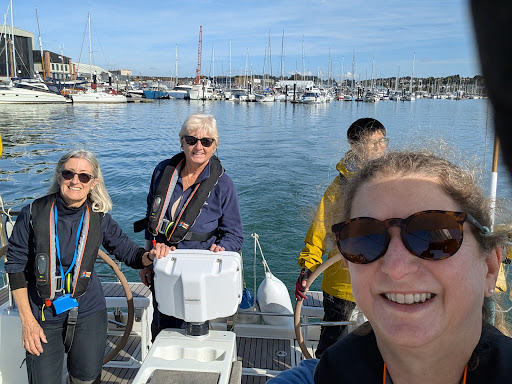
After departing Las Palmas, Gran Canaria, the crew have begun settling into their watchkeeping routines, getting to know one another and learning what it takes to live and sail together on a long ocean passage.
The first day has brought light winds, warm temperatures and relatively calm seas. But while the sailing conditions have been manageable, adapting to the heat, disrupted sleep and round-the-clock watch system has been demanding.
There have also been some magical moments, including dolphins playing alongside the yacht as the sun rose over the Atlantic.
Missed the start of the adventure? Catch up with ARC Rally 2026: Challenger 3 Sets Sail Across the Atlantic to discover the excitement of leaving Las Palmas, the atmosphere at the start line and the crew’s first hours heading out into the Atlantic.
Here’s Julian’s account of the first day, followed by the latest report from skipper Terry Standing.
Crew Blog — 23 November: Dolphins, Heat and Life at Sea
We left Las Palmas 21 hours ago and have covered just under 150 miles so far, the crew is a group of people from some incredibly different walks of life and everyone has some great stories and experiences to share, being the youngest on board I have told my two stories so will have to think of something to say for the next few weeks. No social media or emails is so refreshing.
The heat is stifling and sleeping has been incredibly hard, mixed with the 24 hour shift rotation of 6 hours in the day and 4 hours at night has made for a brutal start mentally for everyone.
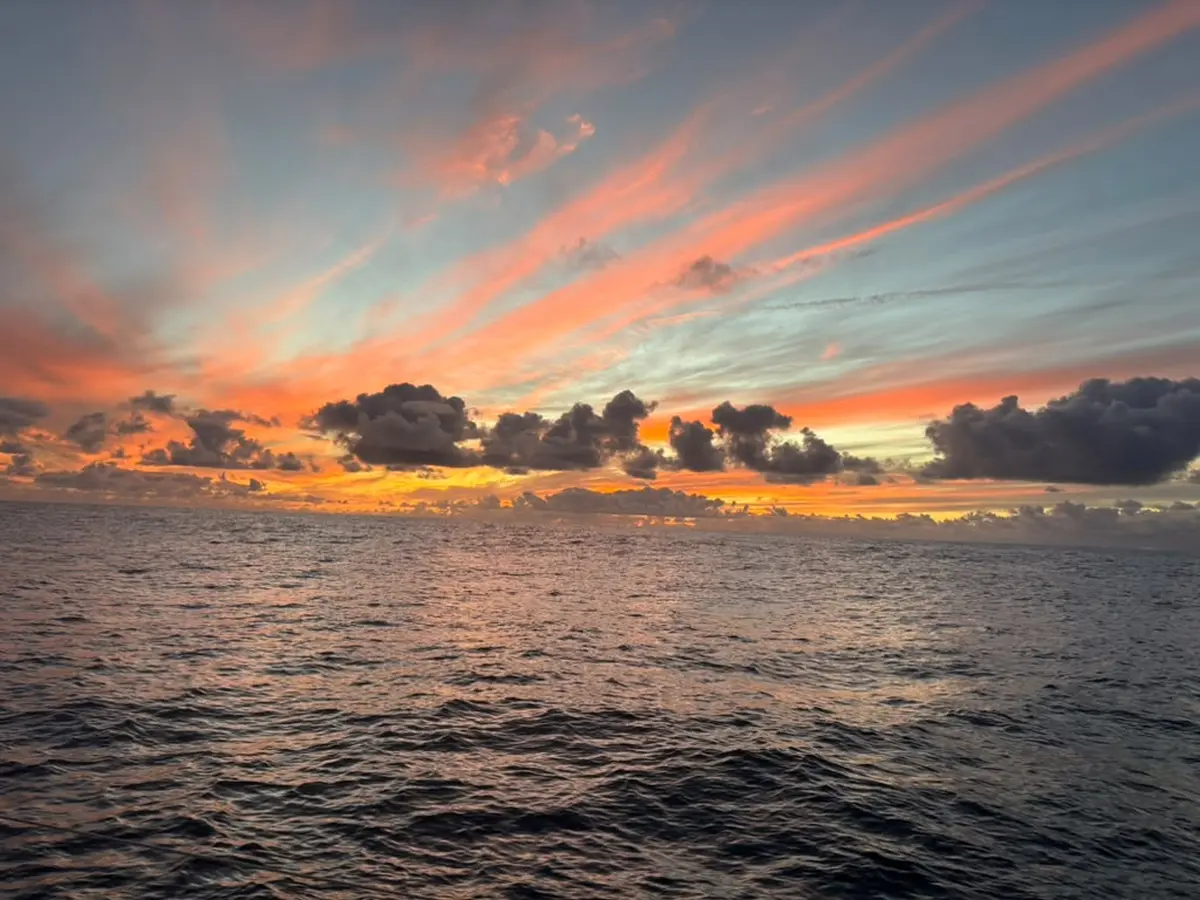
This morning I had my coffee on the bow watching a pod of dolphins play while the sun rose which is not a way I’ve started a Monday ever before and made me forget any issues I can think of on board or in life.
Julian
Skipper’s Report — 23 November: A Positive First 24 Hours
Good morning,
SAILING STATISTICS @ 1300hrs
● Speed over ground: 7-8 knots
● Position: 2641 N 1658.W
● Distance to finish: 2737nm
● Distance sailed in last 24 hours: 165 nautical miles
● Current sea conditions: slight
● Current wind conditions: NE 15 knots
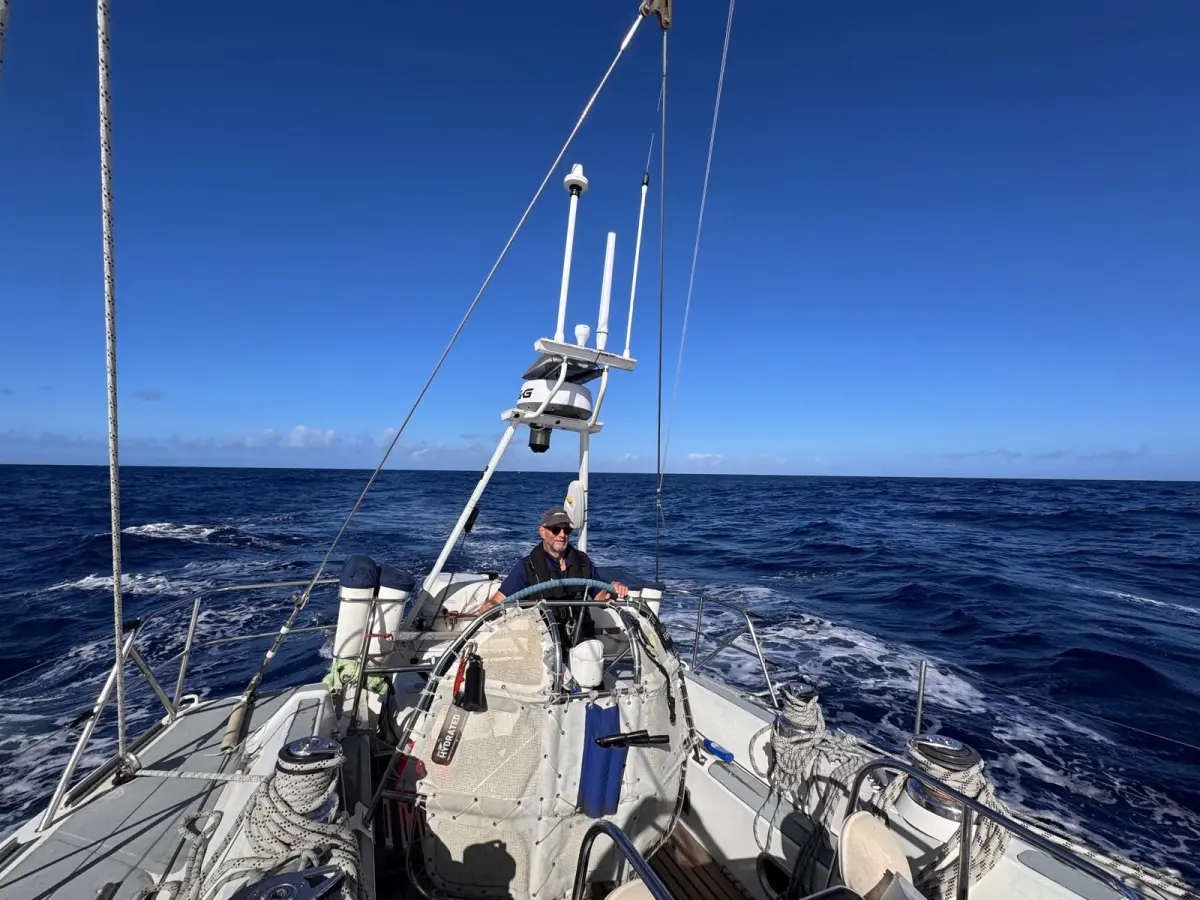
The Open Ocean
SUMMARY – LAST 24 HOURS
Following relatively light winds at the start of the ARC, Challenger 3 initially headed out on a bearing of approximately 110° to find stronger winds away from Gran Canaria before turning south.
We then continued south for approximately 50 nautical miles before making our first gybe at 22:00 hours. This allowed us to make better use of the north-easterly winds and, importantly, move further offshore and away from the West African coastline.
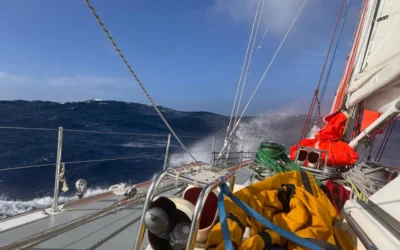
As anticipated, the winds began to ease during the early hours of the morning. Nevertheless, Challenger 3 has maintained an average speed over ground of approximately 6 knots, which is a very satisfactory start to our Atlantic crossing.
Our crew members are gradually becoming accustomed to sailing downwind and adjusting to life on board. The current conditions have been ideal for gaining experience in these relatively light winds and manageable sea conditions. This will prove valuable as we move further south and west, where we anticipate stronger winds and a bigger sea state.
The main ARC fleet appears to be following a broadly similar strategy to ourselves, with many boats adopting comparable courses in search of the best available winds.
Life on board Challenger 3 is good. The crew are happy and content, although there is no doubt that everyone is still making adjustments to life at sea and, in particular, settling into the watch system. The system is now beginning to take shape, and everyone is getting used to their respective responsibilities and routines.
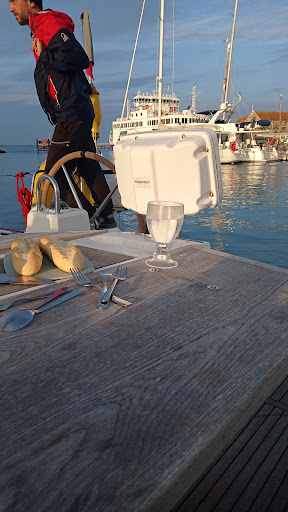
On the catering front, standards remain high, and we enjoyed a very nice chicken curry last night!
Overall, a very positive first 24 hours at sea. The boat is sailing well, the crew are settling in nicely, and everyone is looking forward to the miles ahead.
Thanks
Terry Standing
Adjusting to Life Aboard an Atlantic Crossing Yacht
One of the biggest differences between coastal sailing and crossing an ocean is the need to establish a routine that works around the clock.
With no overnight stops in harbour, the crew must share responsibilities for sailing, navigation, lookout duties and everyday life aboard.
As Julian describes, adjusting to the watch system can be difficult at first. Sleeping during the day, coping with warm conditions below decks and getting used to interrupted rest all take time.
But the rewards can be extraordinary.
Watching dolphins play alongside the yacht at sunrise, enjoying a coffee on deck with nothing but ocean around you, and spending time with people from very different backgrounds are experiences that make an Atlantic crossing so memorable.
For many people, the opportunity to disconnect from emails, social media and everyday distractions is another unexpected benefit.
Why the ARC Fleet Is Heading South Before Turning West
For those following the ARC tracker, the fleet’s initial route may seem surprising.
St Lucia lies to the west of Gran Canaria, so why are so many yachts heading south?
The answer lies in the wind.
Rather than sailing the shortest possible distance, crews often head south to find more consistent north-easterly trade winds before turning west across the Atlantic.
As Terry explains, Challenger 3 initially headed offshore in search of better wind conditions before gybing south.
The early part of the crossing has provided relatively gentle conditions, giving the crew time to become familiar with the yacht and establish their watchkeeping routines before potentially encountering stronger winds and larger seas.
Ocean passage planning is about finding the best combination of weather, sailing conditions and progress towards the destination, rather than simply following a straight line across a chart.
Follow the ARC Rally 2026 Adventure
This is the second instalment of our series following Challenger 3 across the Atlantic.
The yacht departed Las Palmas on 22 November, joining the ARC fleet for the approximately 2,700-nautical-mile crossing to St Lucia.
We’ll continue sharing first hand reports from Terry and the crew as they make their way across the ocean.
The Atlantic Circuit Continues — Join Us in the Caribbean
The ARC crossing is just one part of First Class Sailing’s 2026–27 Atlantic Circuit.
Once Challenger 3 reaches St Lucia, there are more opportunities to experience sailing aboard a Challenger 72.
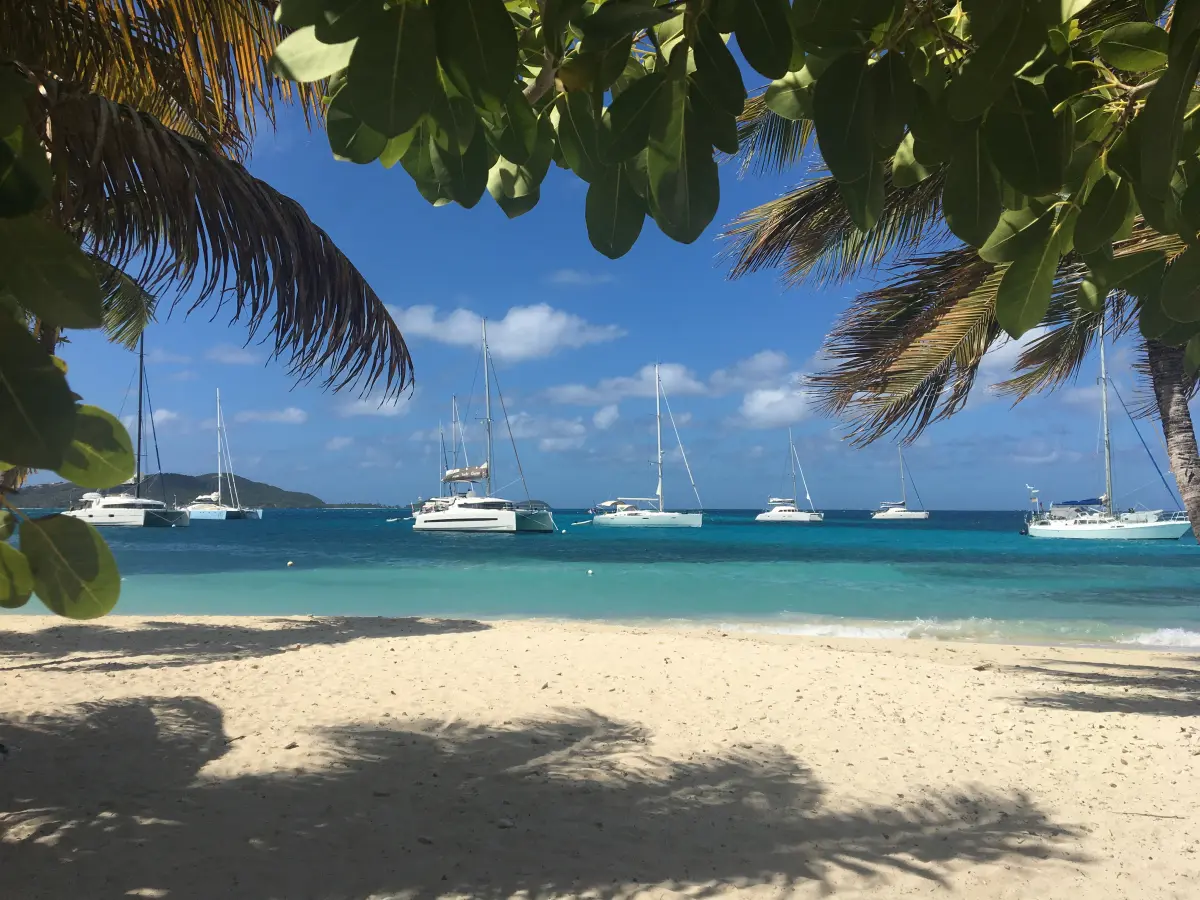
Sailing in the Caribbean
St Lucia to Grenada — 16–22 December 2026
Our Caribbean sailing holiday from St Lucia to Grenada offers seven days of warm-water sailing, beautiful islands and hands-on experience aboard a 72ft yacht.
It’s a chance to swap the British winter for Caribbean sunshine and enjoy a very different kind of sailing adventure.
Grenada to Antigua — 3–12 January 2027
The second Caribbean sailing holiday takes the yacht north from Grenada to Antigua.
With ten days aboard, the crew can enjoy sailing between Caribbean islands, exploring anchorages and developing their sailing skills along the way.
Antigua to Portsmouth — Return Atlantic Crossing
For those looking for another major offshore adventure, the Antigua to Portsmouth Atlantic sailing passage offers the opportunity to experience a substantial ocean crossing and build valuable offshore sea miles.
Fancy joining the adventure?
Explore the upcoming voyages and get in touch with First Class Sailing to enquire about remaining places.
We’ll continue following Julian, Terry and the rest of the crew as Challenger 3 makes her way across the Atlantic towards St Lucia. Keep an eye on the blog for the next instalment.