Last updated: 5.3.26
Anyone preparing for the Yachtmaster Coastal course or Yachtmaster Offshore course must log a certain amount of experience in tidal waters.
For Yachtmaster Offshore, at least 2,500 nautical miles must be logged, including 1,250 miles in tidal waters.
For Yachtmaster Coastal, at least 800 miles are required, including 400 miles in tidal waters.
This raises an important question for people building experience:
What exactly counts as tidal water?
What Is Tidal Water?
Tidal water refers to any body of water where the rise and fall of the tide significantly affects navigation.
In tidal waters, tidal streams, tidal heights and currents must be taken into account when planning and executing a safe and efficient passage.
The Royal Yachting Association defines tidal waters as:
“An area is deemed tidal if published stream, current or tidal range data is available, the influence of which is significant enough to require the effects to be taken into account to plan and execute a safe and efficient passage.”
Further details about qualifying passages and experience requirements can be found in the RYA guidance on qualifying passages.
In simple terms, tidal waters are places where the tide materially affects how a passage is planned and executed.
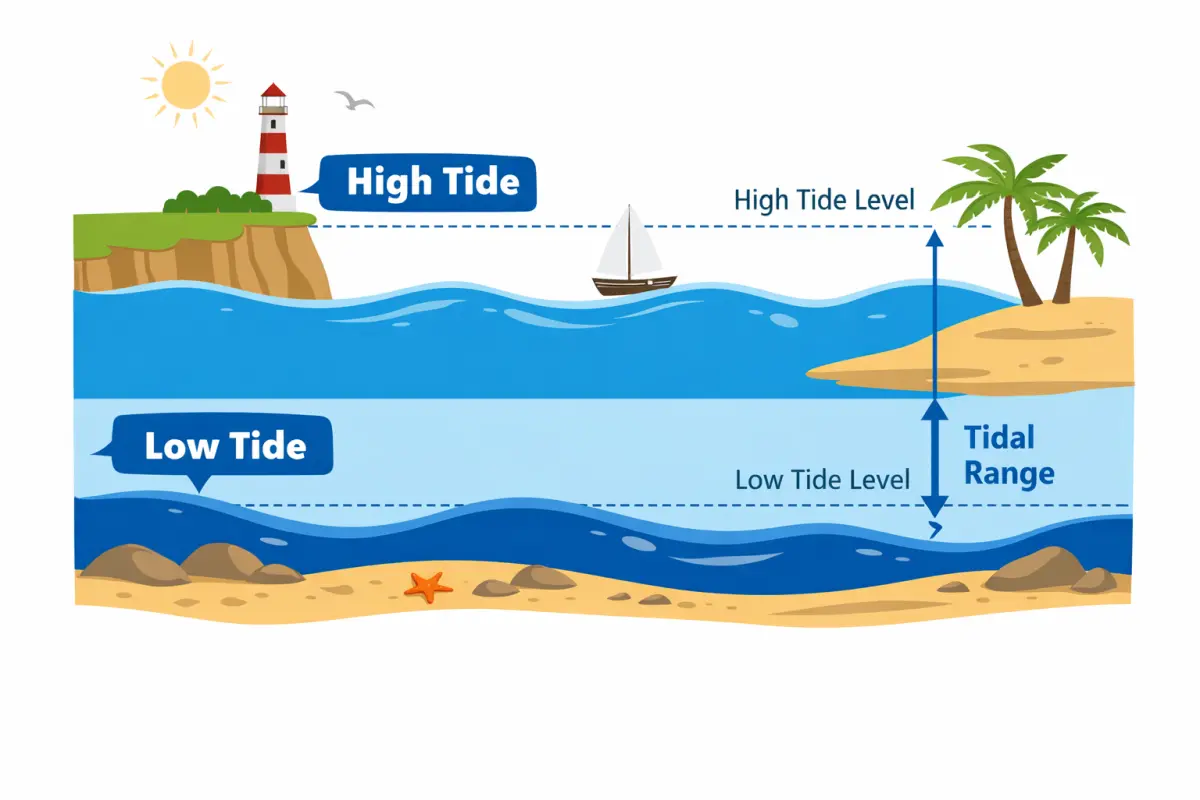
Basic diagram showing tidal range between high tide and low tide in tidal waters
Why Tidal Experience Matters for Yachtmaster
The Yachtmaster scheme is recognised around the world as a highly respected qualification in seamanship and navigation.
To maintain that standard, candidates must demonstrate practical experience of sailing in conditions where tidal streams, tidal heights and tidal gates influence navigation decisions.
Without this experience it would be difficult to safely plan passages in many parts of the world, particularly around the UK and northern Europe.
This is why at least half of the qualifying miles must be completed in tidal waters.
Examples of Tidal Waters
Many areas around the UK provide excellent tidal training conditions.
The Solent and English Channel are particularly well known because tidal streams can reach several knots and tidal heights can exceed four metres.
The Solent also has the unusual double high water phenomenon, which can produce complex tidal patterns. This makes it an excellent environment for learning tidal navigation.
Other well-known tidal areas include:
-
the Bristol Channel, which has one of the largest tidal ranges in the world
-
the Channel Islands, where tidal ranges can exceed ten metres
-
the Bay of Fundy in Canada, which has the largest tidal range on Earth
In all of these areas the tide has a clear influence on navigation and passage planning.
Areas That Are Usually Considered Non-Tidal
Some seas around the world do technically experience tides. However, the tidal range is so small that it rarely affects navigation in a meaningful way.
For the purposes of Yachtmaster exam prerequisites, these areas are often treated as non-tidal.
Examples include:
-
the Mediterranean Sea
-
the Baltic Sea
-
the Caribbean
-
the Black Sea
-
the Caspian Sea
In these regions the tidal range is often only 20–40 centimetres, so tides rarely influence passage planning.
A full explanation can be found in our guide to whether the Mediterranean Sea is tidal.
Why Gaining Tidal Experience Is Important
Sailing in tidal waters introduces navigation challenges that do not occur in non-tidal areas.
These include:
-
calculating tidal streams
-
planning passages around tidal gates
-
determining safe depths at different stages of the tide
-
calculating the correct course to steer when crossing tidal streams
These skills are taught during RYA navigation courses, but they also need to be practised in real conditions.
Examiners will expect candidates to demonstrate that they can plan and execute passages that account for tidal movement.
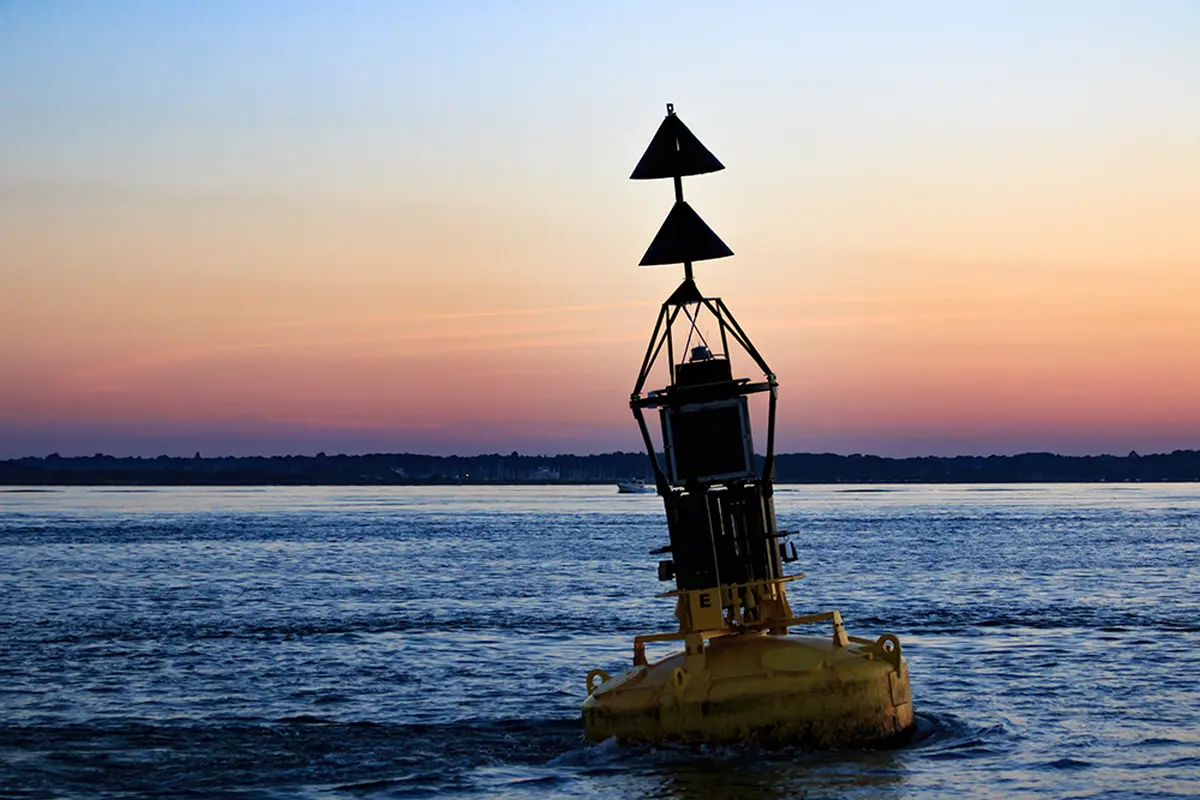
Strong tidal stream in the Solent demonstrating why tidal navigation skills are important
Recording Your Tidal Miles
When preparing for the Yachtmaster exam, experience must be logged carefully.
The examiner will normally expect to see a record including:
-
dates of each trip
-
the vessel name and size
-
start and finish ports
-
distance sailed
-
the role on board
-
whether the miles were tidal or non-tidal
-
night hours logged
Many people keep this information in the RYA Logbook (G158). A clear spreadsheet can also be used.
Accurate records help demonstrate the experience required to meet the Yachtmaster prerequisites.
Where to Gain Tidal Miles
People working towards Yachtmaster Coastal or Yachtmaster Offshore often gain tidal experience in the Solent and English Channel, where tidal streams and tidal ranges provide ideal training conditions.
A popular way to build experience is by joining structured sailing weekends and mile building sailing trips, where passages are planned specifically to develop navigation and tidal planning skills.
Examples include:
-
longer offshore passages such as Norway sailing adventures
-
major offshore voyages such as Atlantic crossings
These trips combine offshore passage making with practical navigation, helping participants build the tidal miles required for Yachtmaster qualifications.
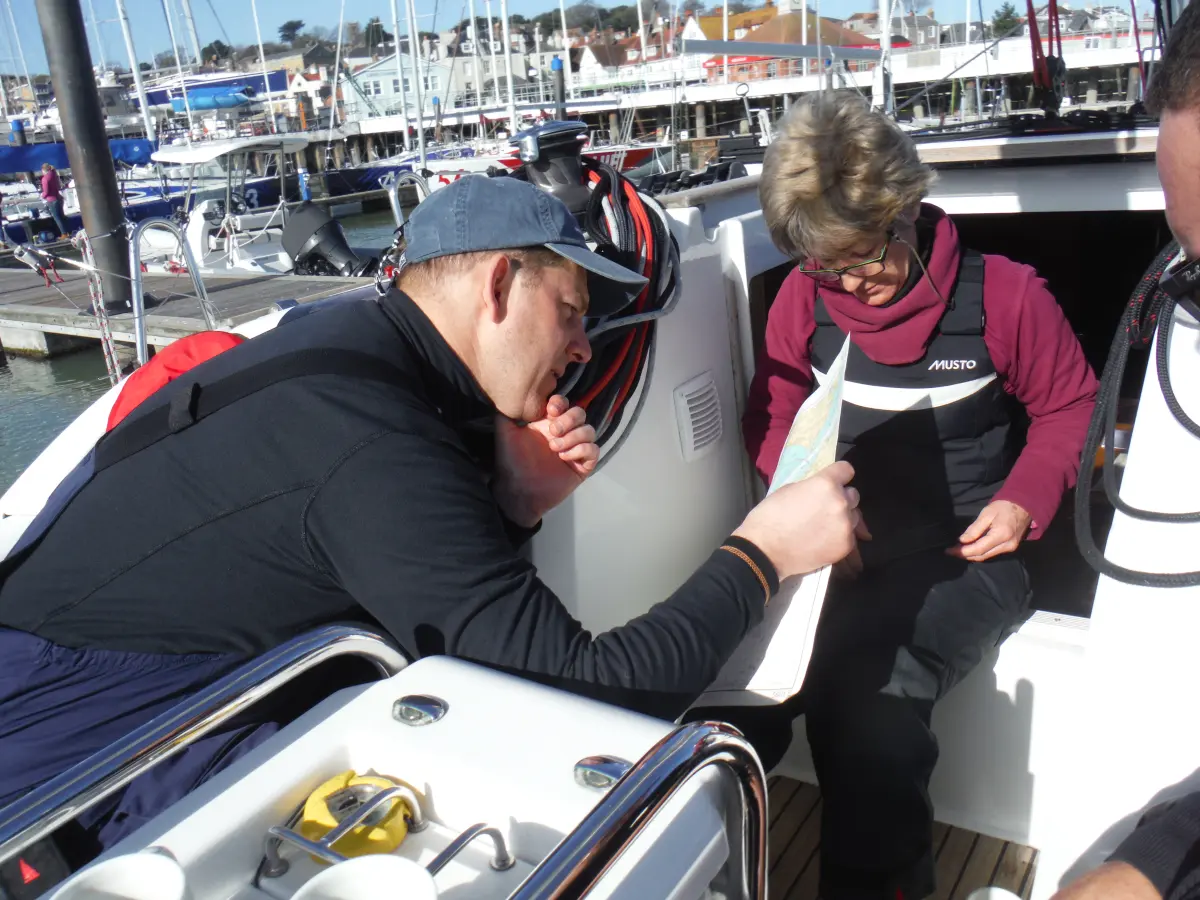
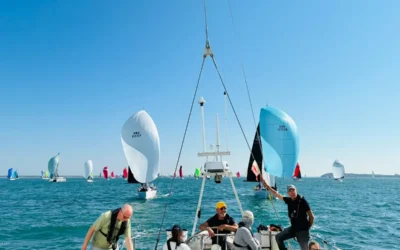
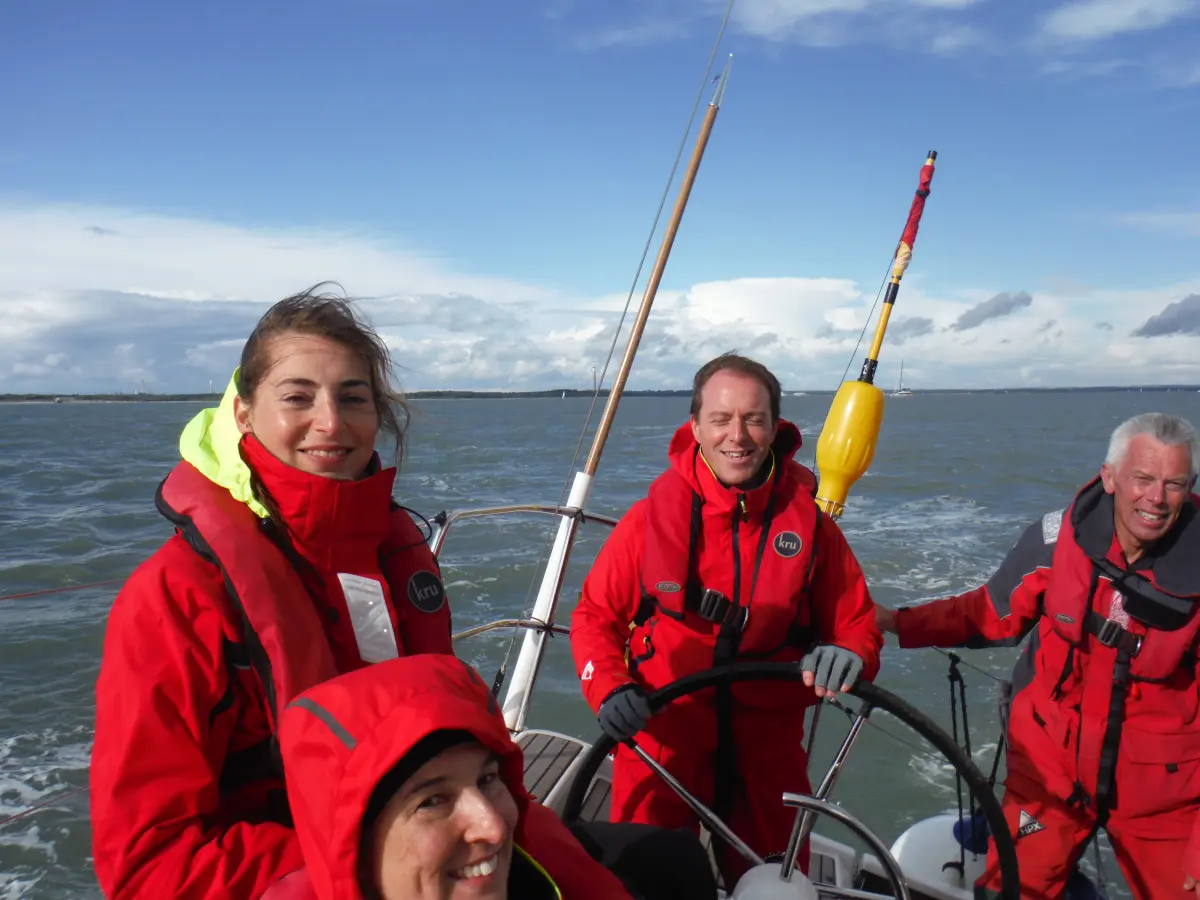
Crew planning passage in tidal waters during a Yachtmaster mile building sailing trip
Tidal Water FAQs
What is tidal water?
Tidal water is any body of water where the rise and fall of the tide significantly affects navigation. In tidal waters, tidal streams, tidal heights and currents must be taken into account when planning and executing a safe and efficient passage.
Do Mediterranean miles count as tidal miles for Yachtmaster?
Usually not. Although the Mediterranean Sea does experience tides, the tidal range is normally only around 20–40 centimetres. Because the tidal influence is small, Mediterranean miles are generally considered non-tidal for Yachtmaster exam prerequisites.
Where can you gain tidal miles for Yachtmaster?
Many people gain tidal experience in areas such as the Solent and the English Channel, where tidal streams and tidal ranges significantly affect navigation. Tidal miles are often built through sailing weekends and mile building passages designed to develop practical navigation skills.