The RYA Day Skipper course is one of the most popular sailing qualifications in the UK, especially for people sailing on the Solent from Southampton.
Most of the key details are covered on the course page, but there are some common questions that come up before booking. This guide brings together the most important Day Skipper course FAQs to help you decide if it’s the right next step.
If you’re already considering the course, you can view full details of the Day Skipper Practical course here.
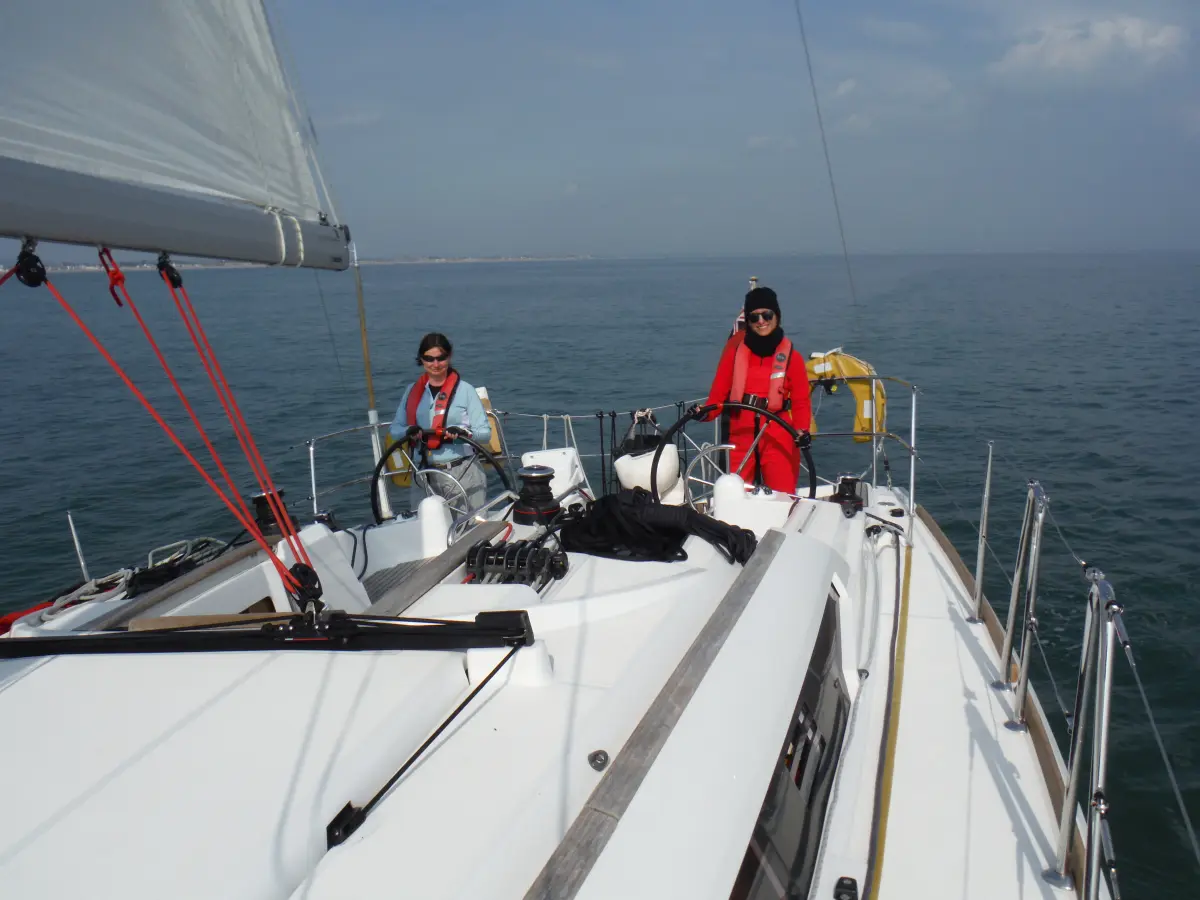
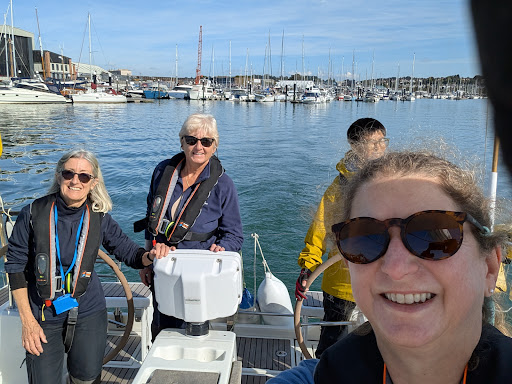
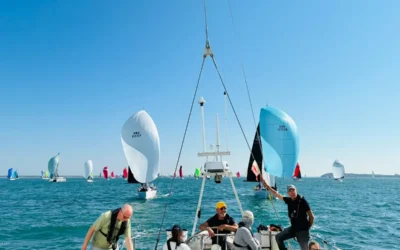
RYA Day Skipper training yacht sailing in the Solent near Southampton
Day Skipper Course FAQs: Do You Need Theory Before Practical?
You do not have to complete the theory course first, but you must have the same level of knowledge.
The practical course focuses on skippering, so there is not enough time to teach navigation, weather and collision regulations from scratch. You will be expected to understand charts, weather, tides and passage planning before you arrive. Understanding tides is particularly important when sailing in areas like the Solent, where tidal streams can significantly affect your course.
It is possible to gain this knowledge through experience and books, but in reality this can take years and often leaves gaps. The most reliable way to prepare is to complete the Day Skipper Theory course beforehand.
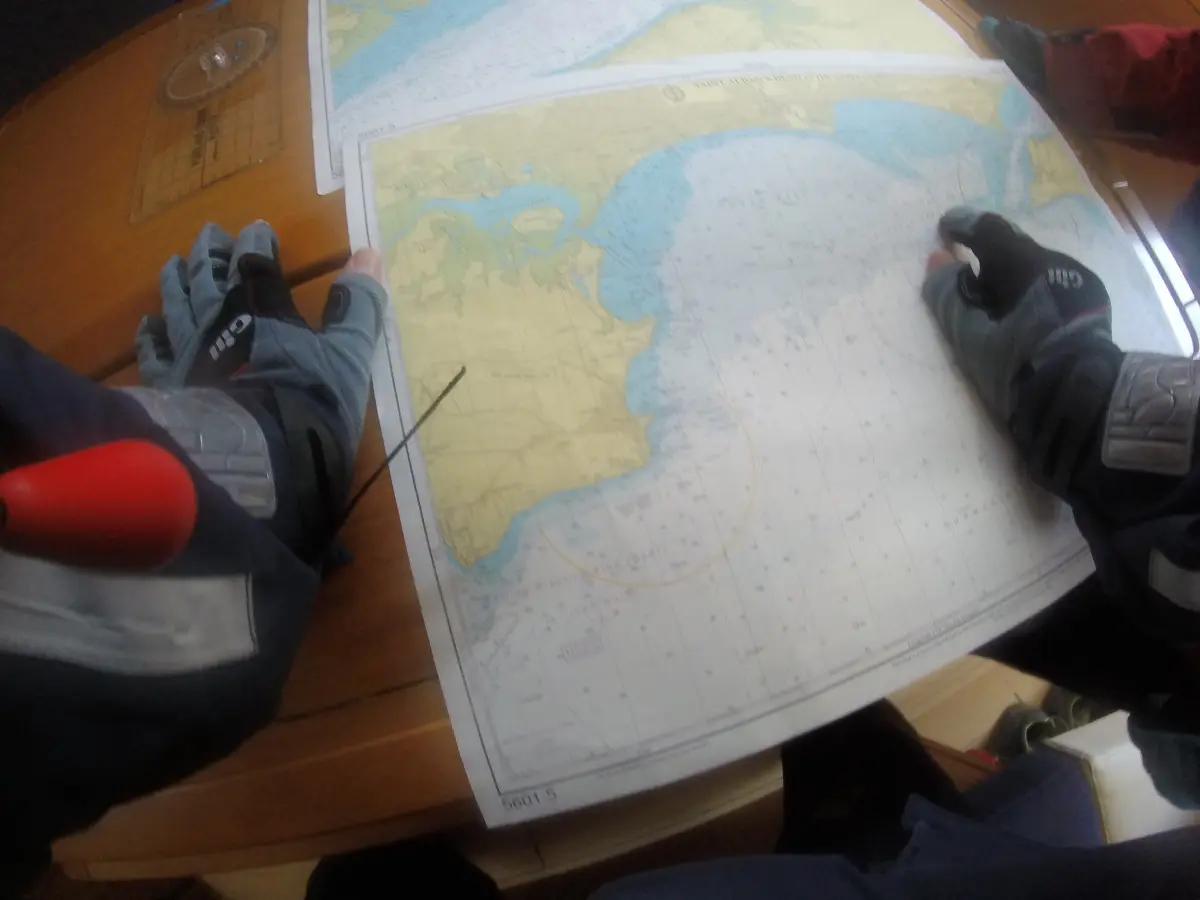
Learning navigation and chartwork during a Day Skipper sailing course
What Experience Do You Need for a Day Skipper Course?
To get the most from the course, you should already have Competent Crew level experience.
This means being comfortable on board, understanding how a yacht operates, and having spent time at sea in a range of conditions.
The Day Skipper course builds on this by helping you take responsibility for the boat and start making decisions as skipper.
If you are earlier in your sailing journey, the Competent Crew course is usually the best place to start.
You can also see how Day Skipper fits into the wider training pathway using the RYA course progression guide.
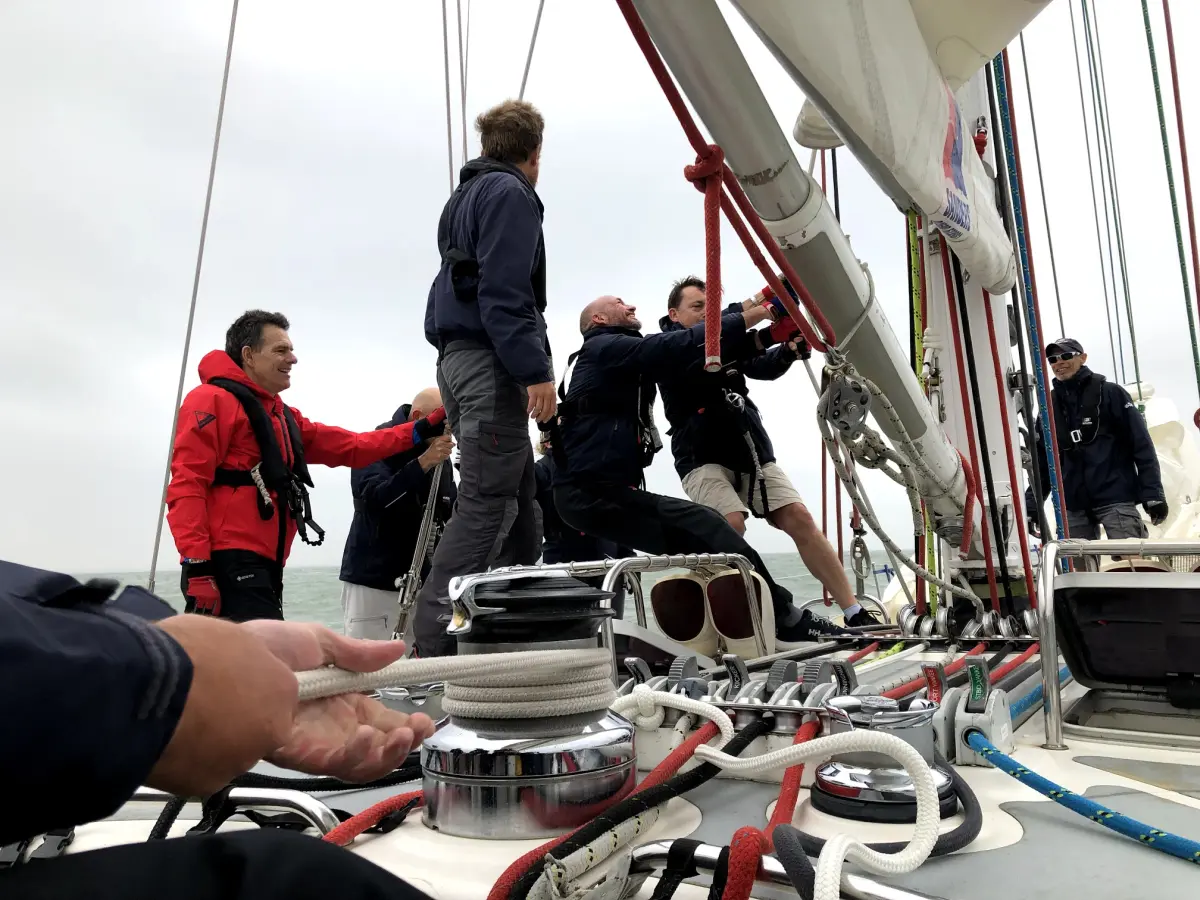
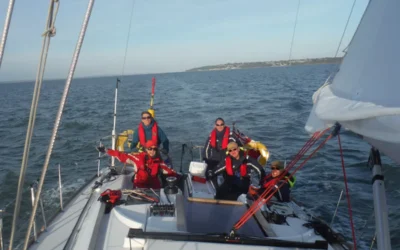
Crew gaining practical sailing experience before Day Skipper course
Is the Day Skipper Course Difficult?
Another of the most frequently asked Day Skipper course FAQs is how challenging the course really is.
The course can be challenging, but it is designed to be achievable with the right preparation.
Most of the difficulty comes from combining theory knowledge with practical decision-making. With guidance from the instructor and buy the end of the course you are expected to plan passages, navigate safely, and take charge of the boat.
If you arrive with a solid understanding of navigation and some prior experience on board, most people progress well and find the course both rewarding and enjoyable.
How Long Does the Day Skipper Course Take?
The Day Skipper Practical course typically runs over five consecutive days.
It can also be taken across two weekends, which is a popular option for those balancing work and other commitments.
The theory course can be completed in different formats, including:
- Evening classes over several weeks
- Intensive classroom courses
- Online learning
What Can You Do With a Day Skipper Qualification?
One of the most common Day Skipper course FAQs is what the qualification actually allows you to do in real sailing situations.
A Day Skipper qualification allows you to skipper a yacht in familiar waters during daylight hours.
It is widely recognised by charter companies and is often the minimum requirement for chartering a yacht in many locations, including the Mediterranean.
With this qualification, you can:
- Charter a yacht and take responsibility for the crew
- Plan and execute short passages
- Build experience towards more advanced qualifications
If you’re interested in going further, the next step is usually the Coastal Skipper course.
You can also learn more about how qualifications relate to real-world sailing by reading about chartering a yacht.
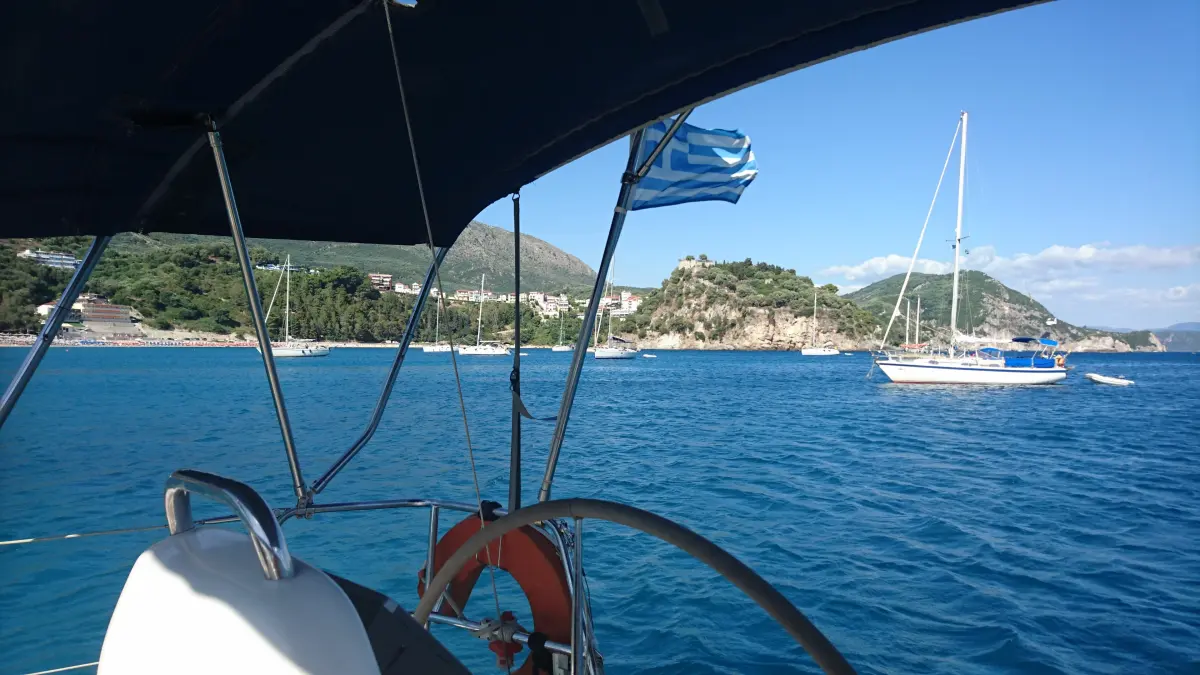
Skippering a yacht in calm waters after completing Day Skipper qualification
Can You Sail at Night With a Day Skipper Qualification?
The Day Skipper qualification is designed for skippering during daylight hours in familiar waters.
During the course, there will be some sailing at night, so you gain experience in these conditions.
However, night sailing introduces additional challenges, and further training is recommended before regularly skippering at night.
Does Day Skipper Include VHF Radio Training?
Day Skipper does not include a full VHF radio qualification.
You will learn how to use a radio in an emergency and send a distress message, but a separate course is required to gain a VHF Radio Licence.
If you plan to charter or own your own yacht you will need to get a licence.
What Is the Minimum Age for the Day Skipper Course?
The minimum age for certification is 16.
Younger participants can take part in the course, but the certificate cannot be issued until they reach 16.
What Size Boat Can You Skipper With a Day Skipper Qualification?
A Day Skipper is typically able to take charge of a 30–45ft sailing yacht and its crew in familiar waters during daylight hours.
The exact size of boat you can charter may vary depending on the charter company and your experience.
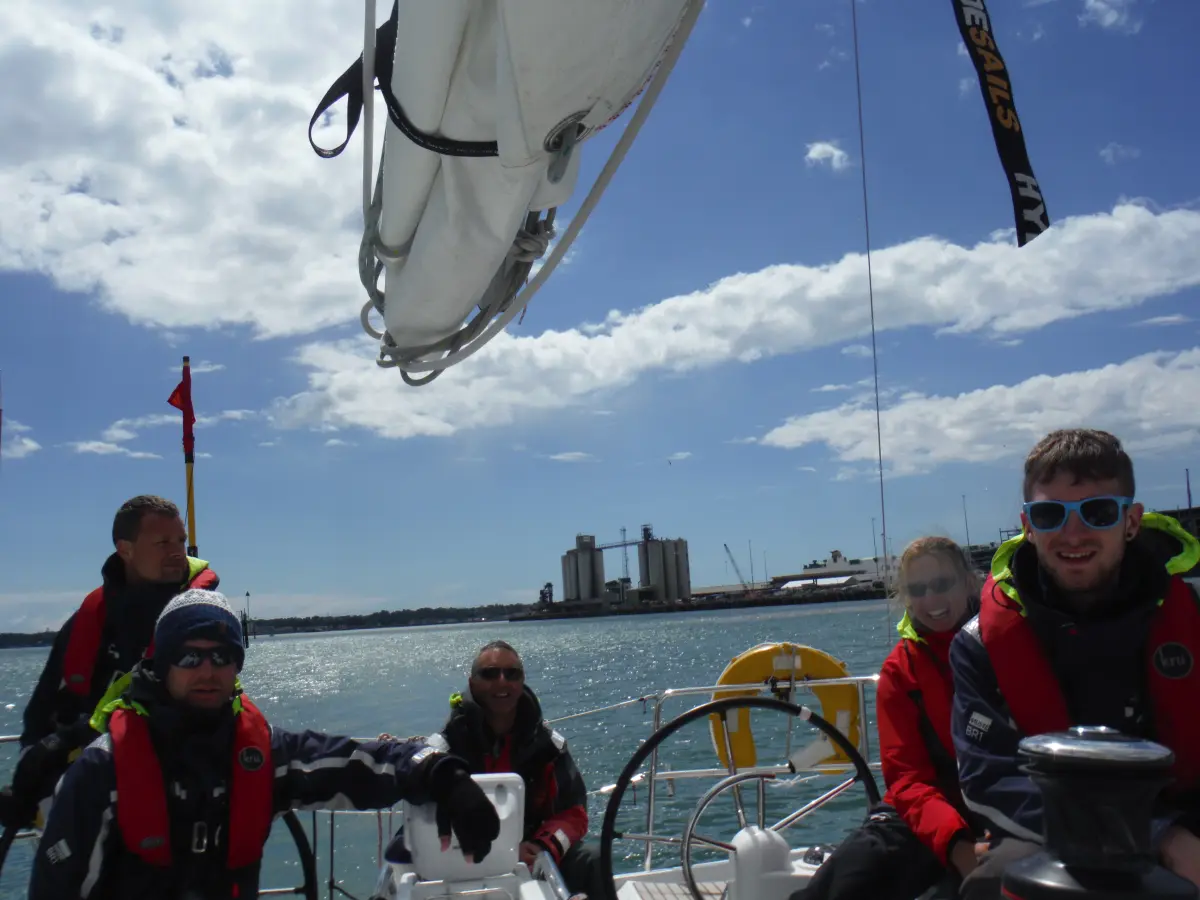
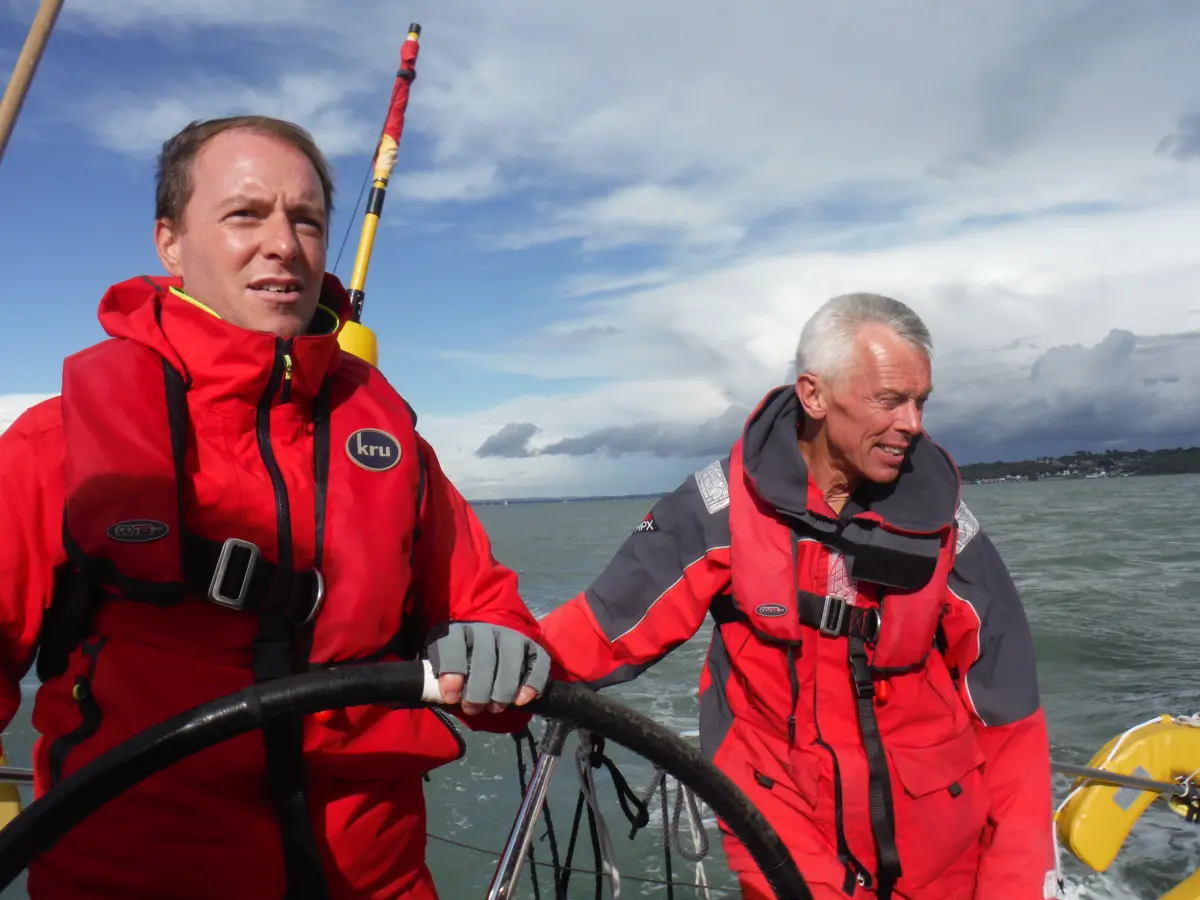
Taking control of a yacht as a qualified Day Skipper
Ready to Take the Next Step?
These Day Skipper course FAQs are designed to give you a clear picture of what the course involves.
If you are looking to move from crew to skipper, the Day Skipper course is the natural progression.
It builds confidence, develops decision-making, and gives you the skills needed to take charge of a yacht safely.
You can view full Day Skipper practical course details, dates and availability here.