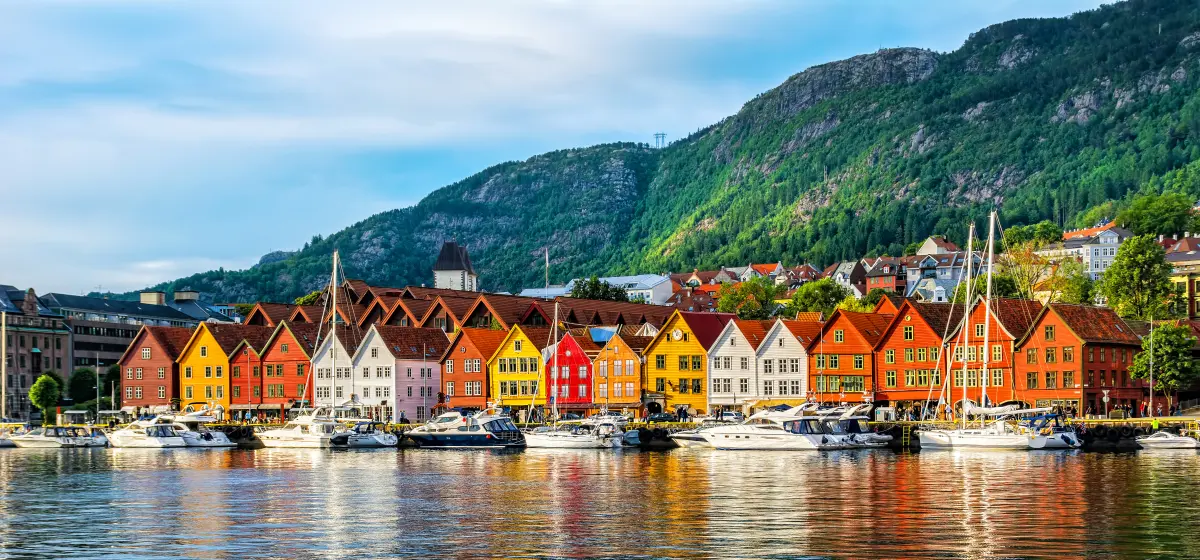
The Hanseatic League was one of the most influential trading networks in medieval Europe — a commercial powerhouse connecting ports across the North and Baltic Seas. Its legacy is still visible today in the colourful timber warehouses of Bryggen, Bergen, one of Norway’s most iconic historic waterfronts and a highlight on many Norway Sailing Adventures.
What Was the Hanseatic League?
The Hanseatic League (from the German Hansa, meaning “guild”) was a federation of over 200 trading cities that dominated maritime commerce from the 12th to 17th centuries. It operated without kings or armies — power came through trade, negotiation and influence.
📌 Learn more:
Hanseatic League – Wikipedia
How the Hanseatic League Began
Early merchants realised cooperation gave them greater protection against piracy, fairer pricing, and easier access to distant markets. Guilds developed shared laws and mutual support — the foundations of the Hanseatic League.
Benefits for members:
-
Protection for ships and goods
-
Shared privileges in member ports
-
Standard weights & measures
-
Diplomatic representation abroad
It was a medieval trade network more global than many imagine, especially by sea.
The Hanseatic League and Bergen
Bergen became one of only four foreign Hanseatic Kontors (trading posts). German merchants settled on the wharf at Bryggen, forming a community with its own rules, language and church.
Why Bergen mattered:
-
It was and still is a gateway to the North Atlantic
-
It gave access to Norway’s rich stockfish reserves
-
It is a safe harbour ideal for cargo vessels
📌 Visit when in Bergen:
Hanseatic Museum official site
What the League Traded
The League controlled everyday necessities — from textiles to fish — and built fortunes with it.
| From Scandinavia | From Eastern Europe | From the South |
|---|---|---|
| Stockfish, hides | Amber, wax, furs, grain | Cloth, wine, salt |

Inside Bergen’s Hanseatic Museum — preserved merchant quarters.
How the Hanseatic League Shaped Society
The League impacted much more than commerce:
-
It raised powerful merchant classes
-
Navigation & shipbuilding was developed
-
It resulted in the spread of Middle Low German across Europe
-
The League influenced law, accounting & maritime governance
In Bergen, history lives in the harbour itself — Bryggen’s alleys, timber beams and museums preserve the world of medieval traders.
The Decline of the Hanseatic League
The League waned as the world changed:
-
Rise of nation-states with strong monarchies
-
New global sea routes after Columbus
-
Dutch & English maritime competition
-
Plagues, wars, shifting economies
The last official Hanseatic Diet convened in 1669 — a symbolic end after 400 years of influence.
Visiting Bergen Today
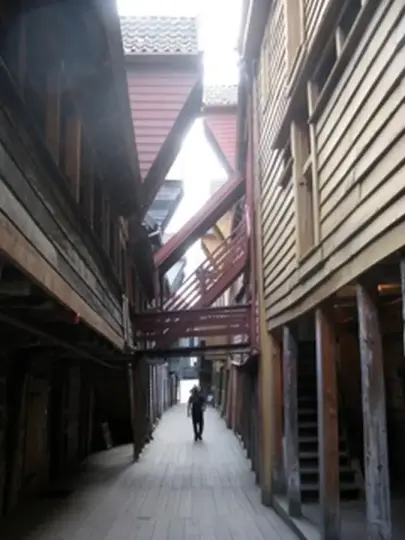
Bryggen — where the Hanseatic world meets modern Norway.
Exploring Bryggen today is like walking into the past. The Hanseatic Museum, Schøtstuene assembly rooms and historic wharf buildings all bring this world to life for modern travellers.
Arriving in Bergen the Old Way — By Sea
Most travellers reach Bergen by air or road — but the merchants of the Hanseatic League arrived under sail. Approaching the harbour by yacht offers a perspective few visitors ever see.
If this history has sparked curiosity, imagine exploring the fjords, visiting Bryggen and approaching Bergen from the water on our Norway Sailing Adventures.
You can check availability here:
👉 View Norway dates & prices
Final Thoughts
The Hanseatic League built its empire not with armies, but with ships, trade and cooperation. Bergen remains one of the best-preserved places to experience that world — a city where medieval commerce meets fjord landscapes.
And if you’d like to connect history with adventure, why not experience Bergen the way traders once did — by sea?