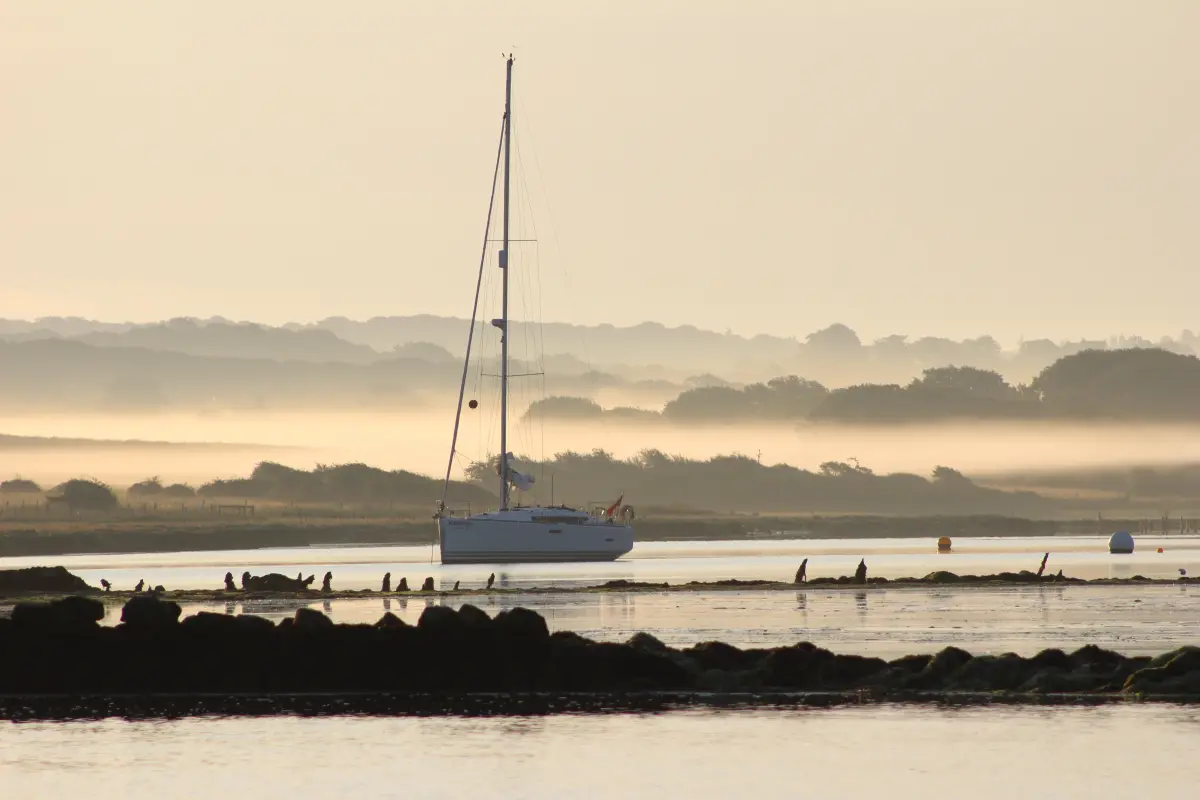
Sailing on the Solent offers a mix of scenery, variety, and rewarding time on the water that keeps people coming back year after year. Between the south coast of England and the Isle of Wight, this famous sailing area combines bustling harbours, quieter rivers, open stretches of water, and ever-changing conditions.
Some people come for relaxed cruising and waterside towns. Others come for training, racing, or to build confidence at sea. Whatever the reason, the Solent rarely feels the same twice.
For those looking to get started, our RYA Competent Crew course in Southampton is a popular way to experience the area while learning practical skills.
Why Sailing on the Solent Is So Popular
The Solent has long been one of Britain’s best-known sailing areas. It attracts cruising yachts, racers, day sailors, and people learning to sail.
People enjoy the Solent because it combines beautiful coastline, well-known sailing towns, lively marinas, and short passages between destinations. The waters are often more sheltered than the open Channel, yet there is still plenty to keep each trip interesting. Ashore, there are excellent pubs, restaurants, and harbourside places to explore.
Every trip can feel different depending on the wind, tide, route, and destination.
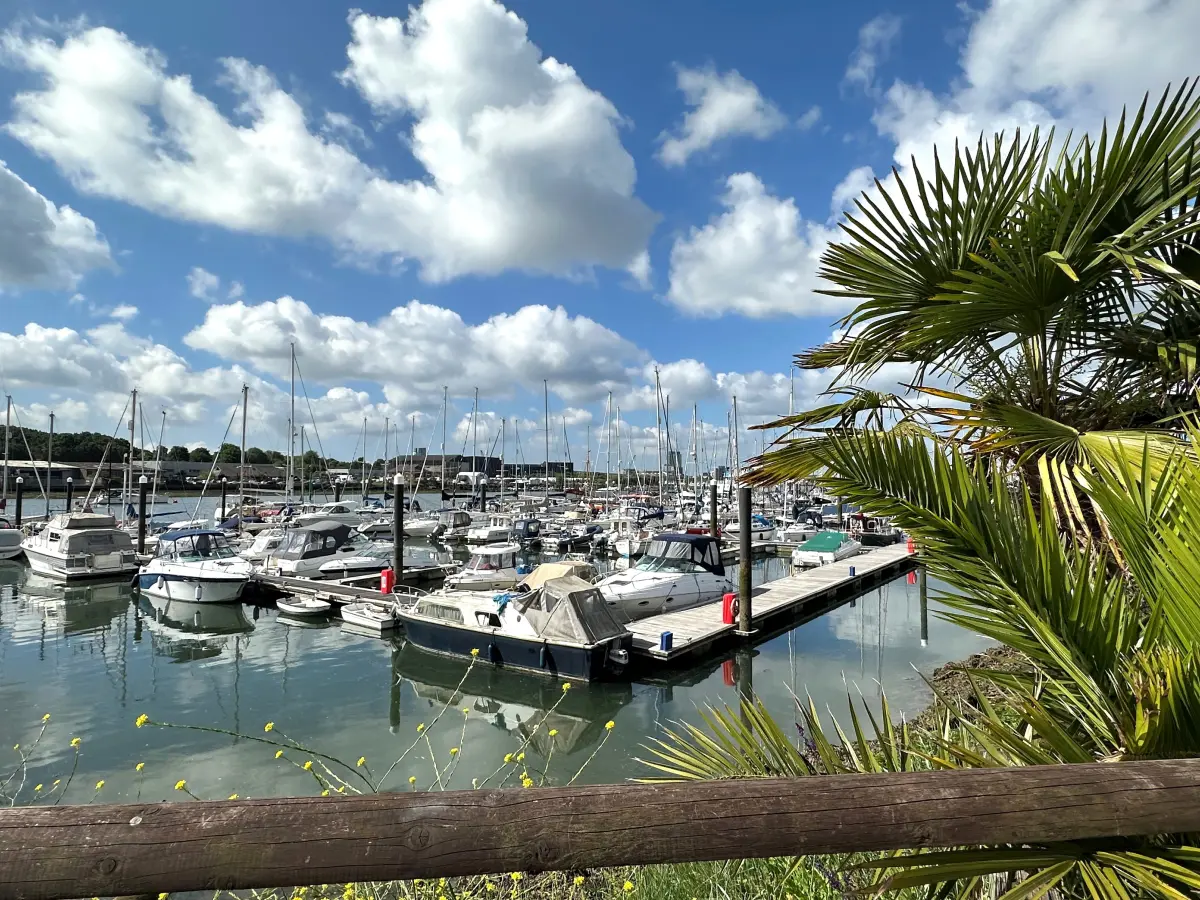
Yachts moored in Solent Marina
Places to Visit While Sailing on the Solent
One of the biggest attractions of the Solent is how many excellent destinations sit within easy reach.
Cowes
Cowes is one of the most famous sailing towns in the world and home to Cowes Week and the Royal Yacht Squadron. The waterfront is always lively, with yachts arriving and departing, chandlers, cafés, and a strong sailing atmosphere.
Yarmouth
Yarmouth is a favourite stop for many people sailing the Solent. Out at the western end of the Solent, its attractive harbour, welcoming feel, and easy access to the town make it a popular overnight destination on the Isle of Wight.
Beaulieu River
Entering the Beaulieu River feels different from the open Solent. The river is peaceful, scenic, and lined with natural beauty, making it one of the most memorable anchorages in the area. Look out for seals and White Tailed Eagles.
Lymington
Lymington combines a historic High Street with modern marinas and easy access to the western Solent. It is a popular stop for cruising yachts and weekend visitors alike.
Portsmouth Harbour
Portsmouth Harbour offers a striking contrast, combining active naval history (both past and present), modern marinas, ferries, and major shipping movements. It is always interesting to enter by yacht.
These are just a few of the many places regularly visited while training or cruising on the Solent.
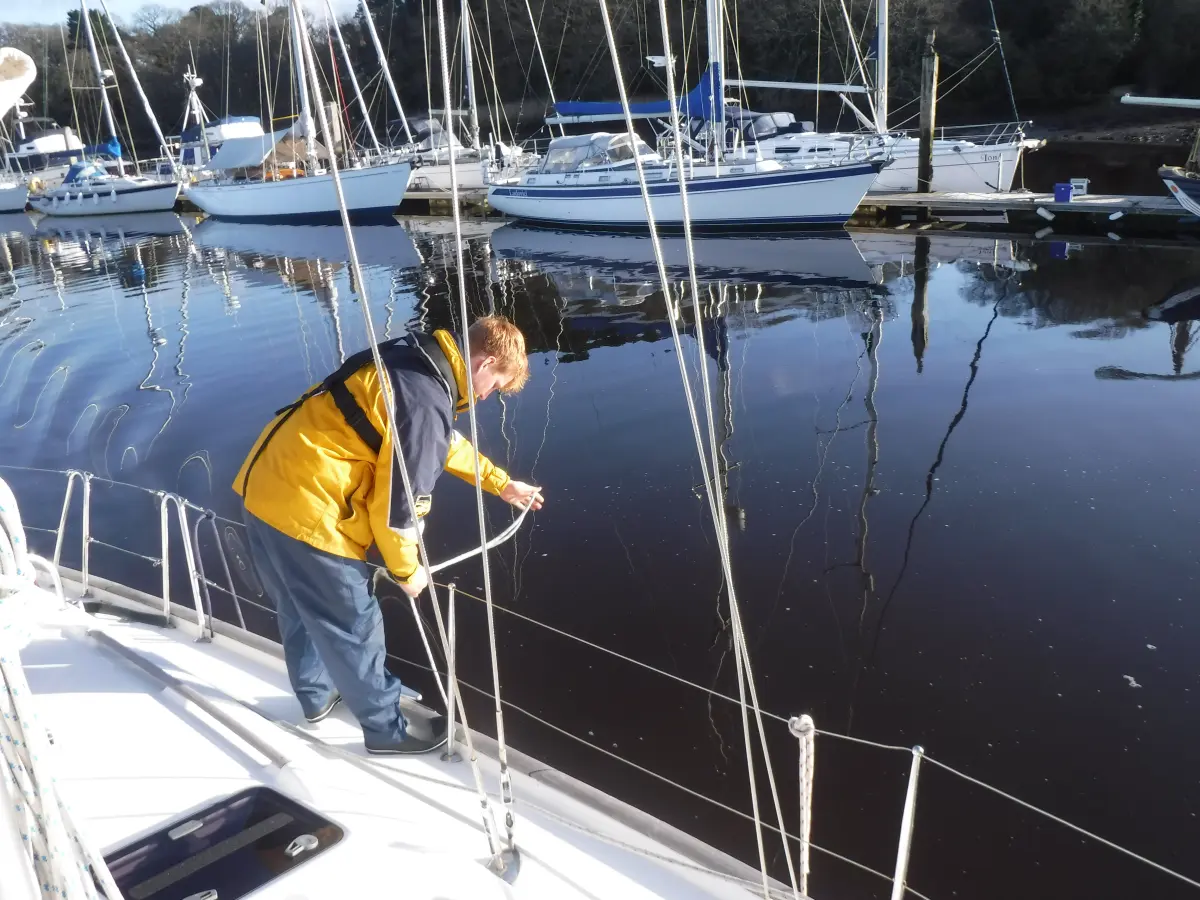
Yacht arriving in the Beaulieu River after sailing on the Solent
Is the Solent Good for Beginners?
Yes — the Solent is one of the best places in the UK for people learning to sail.
It offers enough variety to build skills quickly, while instructors can choose routes that suit the weather and the experience level of the crew.
That is why so many practical courses run here.
If you would like to learn while exploring the area, see our Southampton sailing courses on the Solent.
Tides, Traffic and Why It Stays Interesting
The Solent is never dull. Commercial shipping, ferries, racing fleets, cruising yachts, and changing tides mean there is always something happening.
For experienced sailors, this keeps things interesting. For people learning, it builds awareness, confidence, and seamanship in a practical environment.
No two days are ever quite the same.
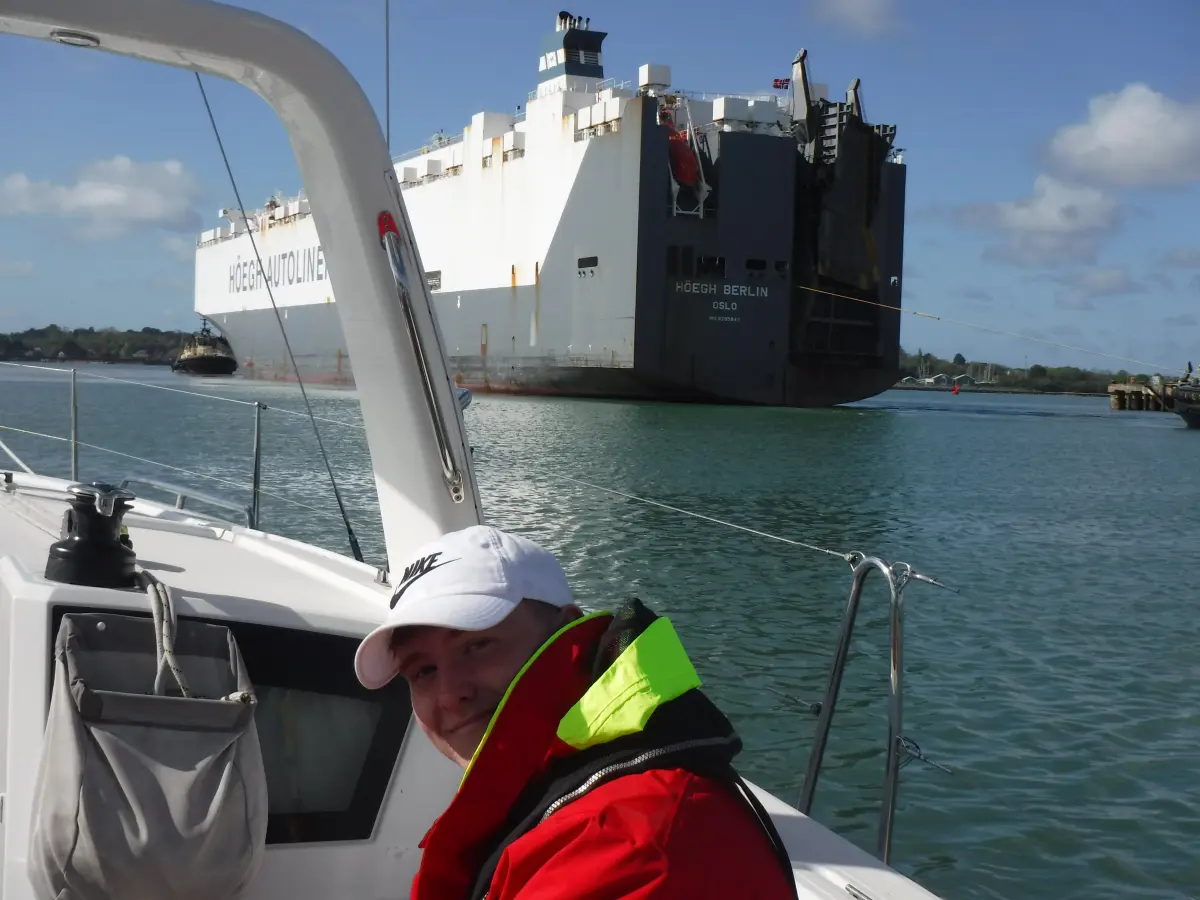
Yachts and ships in Southampton Water Solent
Best Ways to Experience Sailing on the Solent
There are many ways to enjoy the area:
Learn to Sail
Start with a practical beginner course such as Competent Crew. If you’d like to know how the week works, read What to Expect on an RYA Competent Crew Course.
Build Skills
Move on to RYA Day Skipper practical or structured weekends afloat.
Enjoy a Weekend Away
Browse our weekend sailing trips for short adventures and extra time on the water.
Try Yacht Racing
Take part in events through our yacht racing experiences.
Ready to Go Sailing on the Solent?
With famous sailing towns, changing scenery, rewarding waters, and easy access from Southampton, it is easy to see why people keep coming back.
Whether looking to learn, build experience, or simply enjoy time afloat, the Solent remains one of the UK’s standout sailing destinations.
👉 Start with our RYA Competent Crew course in Southampton
FAQs About Sailing on the Solent
Is the Solent good for sailing?
Yes. The Solent is one of the UK’s best-known sailing areas, offering variety, scenic routes, lively harbours, and excellent facilities for cruising, training, and racing.
Why is the Solent so good for sailing?
It combines sheltered waters, changing tides, short passages between destinations, and a wide choice of ports such as Cowes, Hamble, Yarmouth, Lymington, and Portsmouth.
Does the Solent get rough?
Compared with the open sea, the Isle of Wight gives the Solent useful shelter. Conditions can still become lively depending on wind against tide, but it is often more manageable than offshore waters.
What is the best time of year to sail in the Solent?
Spring through autumn is popular for warmer weather and longer days. Winter can also be rewarding, with quieter waters, crisp conditions, and dramatic sunsets.
Is the Solent a busy shipping lane?
Yes. The Solent and Southampton Water are active waterways used by ferries, cargo ships, cruise liners, naval vessels, and leisure craft, which makes it an interesting place to sail.
Can beginners sail on the Solent?
Absolutely. Many beginner courses run here because instructors can tailor routes and exercises to suit conditions while giving people varied practical experience.
How far is it to sail around the Isle of Wight?
A full circuit is typically around 50 to 60 nautical miles depending on route and starting point. The famous Round the Island Race follows a course of roughly that distance.
How deep is the Solent?
Depth varies widely depending on location, from shallow inshore areas and drying banks to much deeper commercial channels used by large vessels.
Why is it called the Solent?
The exact origin is debated, but the name has been in use for many centuries and is thought to have early Saxon or older roots.